02 / ESTIMATE
Return a useful guess
Recognition and portion research produce a candidate food and estimated nutrition values.
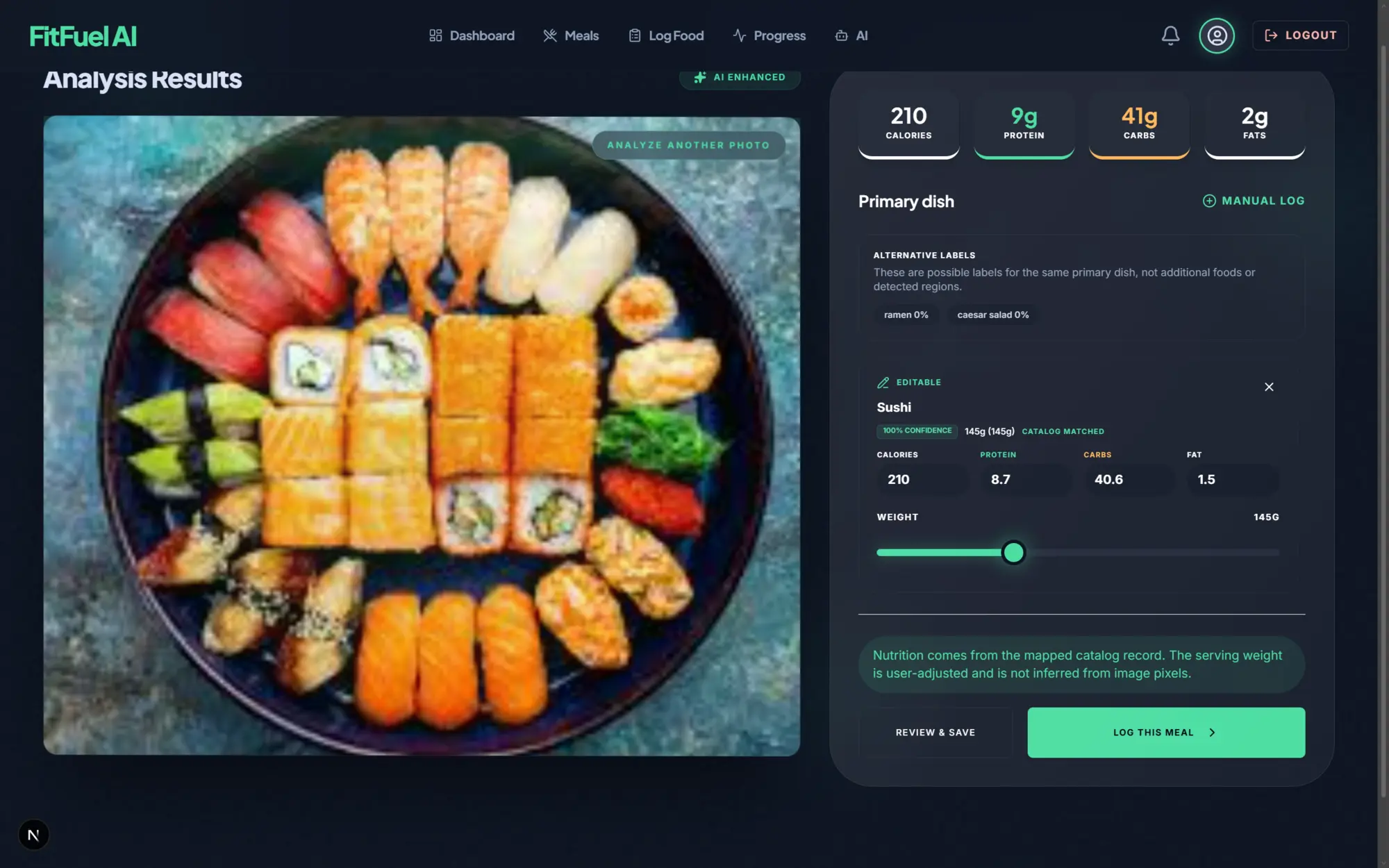
A nutrition product that treats computer vision as an estimate—not an excuse to hide uncertainty.
One complete interface state at a time. Each screen documents the task, the system response, and what the user can do next.
Recognition and portion research produce a candidate food and estimated nutrition values.
A photo or manual search begins a food log in the user’s current day and goal context.
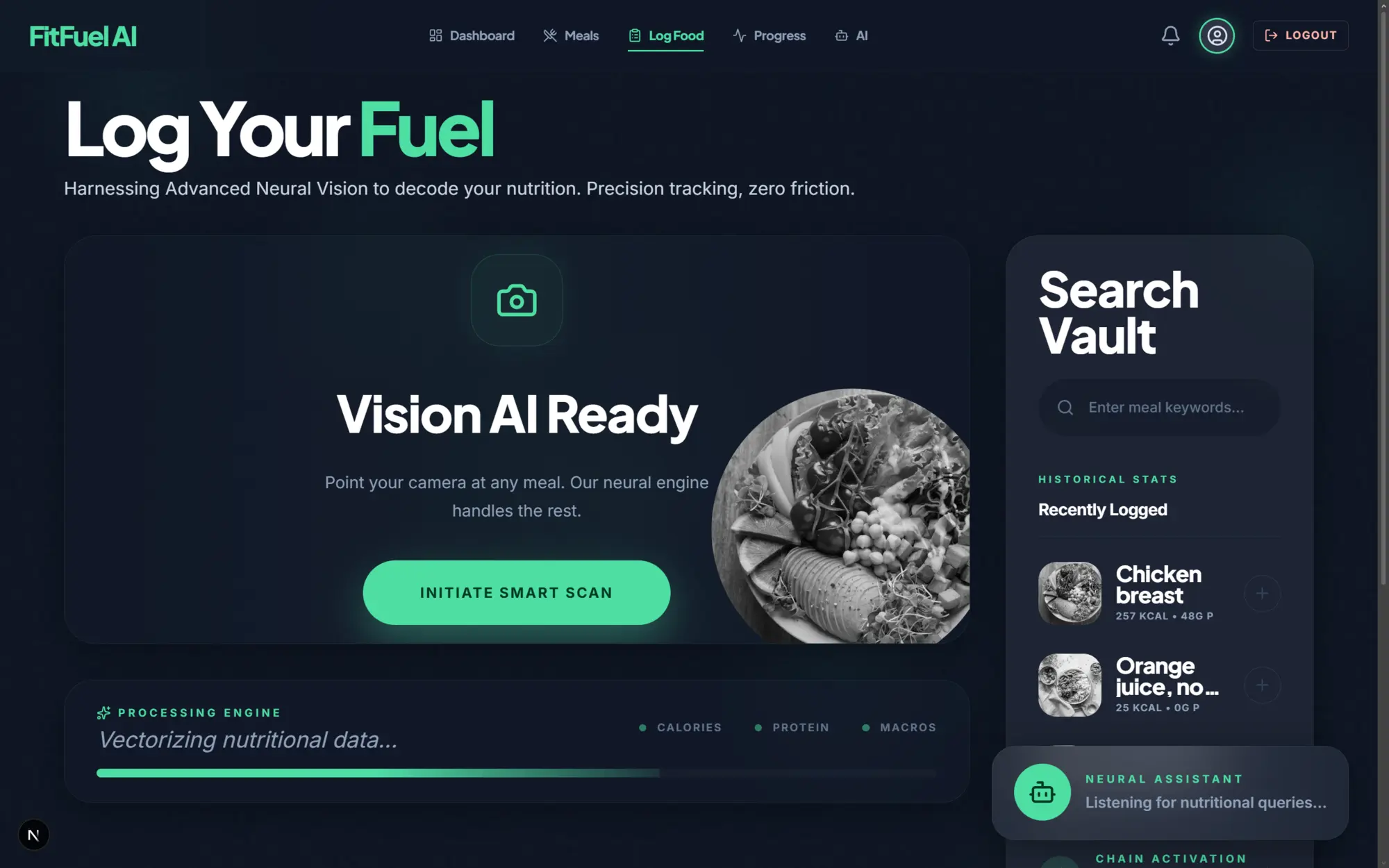
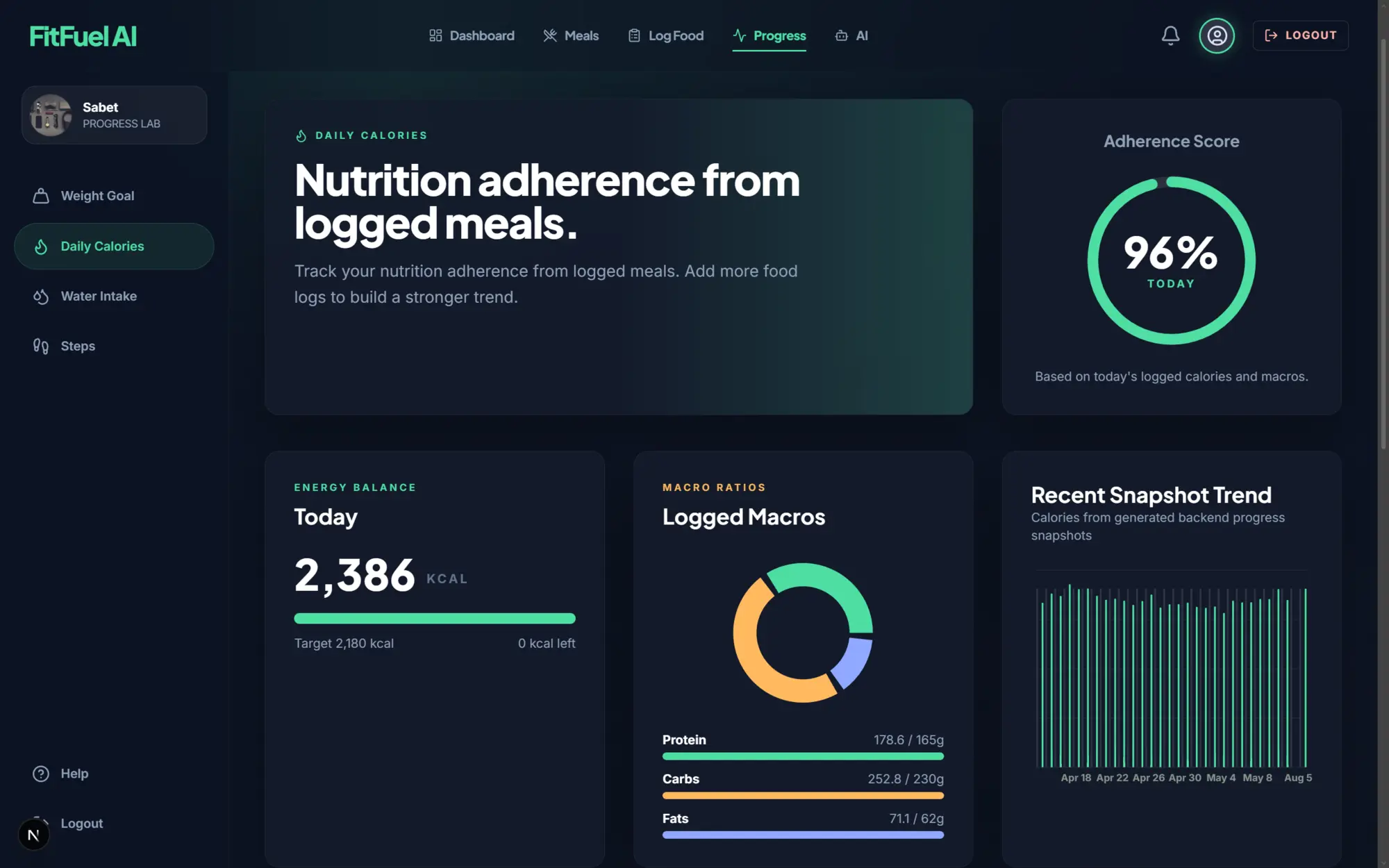
The confirmed entry updates macros, adherence, meal context, and progress views.
Nutrition apps can count calories, but a dependable beginner experience must connect goals, meal planning, food logging, progress, and uncertain image recognition without letting one model control the entire product.
I separated deterministic nutrition logic from probabilistic model output. Food recognition and portion estimation can accelerate logging, while correction paths, user context, and rules keep the experience usable when confidence is low.
A photo or manual search begins a food log in the user’s current day and goal context.
Recognition and portion research produce a candidate food and estimated nutrition values.
The user can change the result, portion, or ingredients before the record becomes trusted.
The confirmed entry updates macros, adherence, meal context, and progress views.
The UI exposes food and portion controls after recognition so uncertainty never becomes invisible product behavior.
Meal planning and nutrition calculations remain deterministic; Gemini supports explanation and conversation rather than deciding the critical plan.
Food, macros, water, steps, weight, and planned meals share one consistent tracking system for beginners.
Secondary screens that extend the core journey without diluting it.
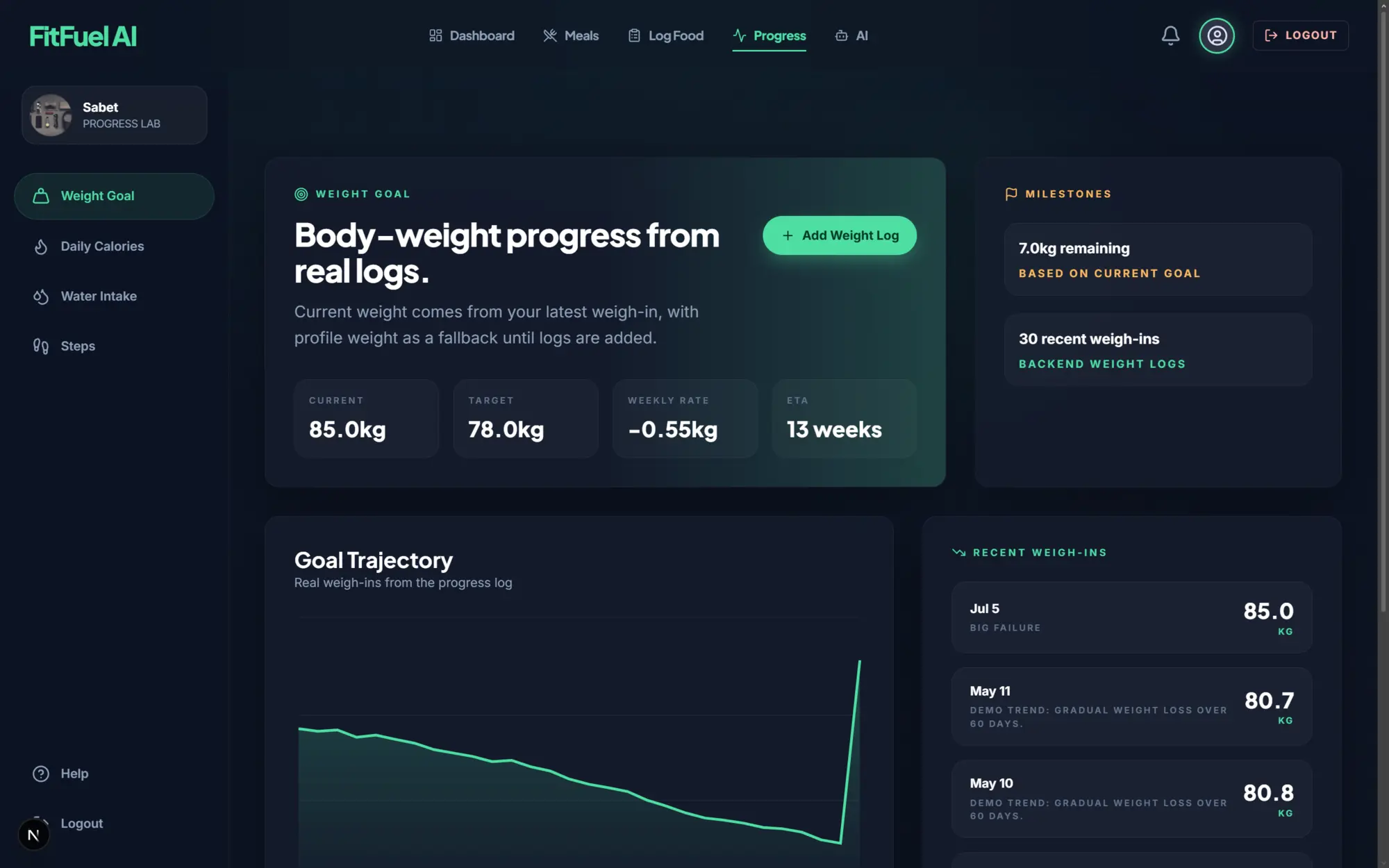
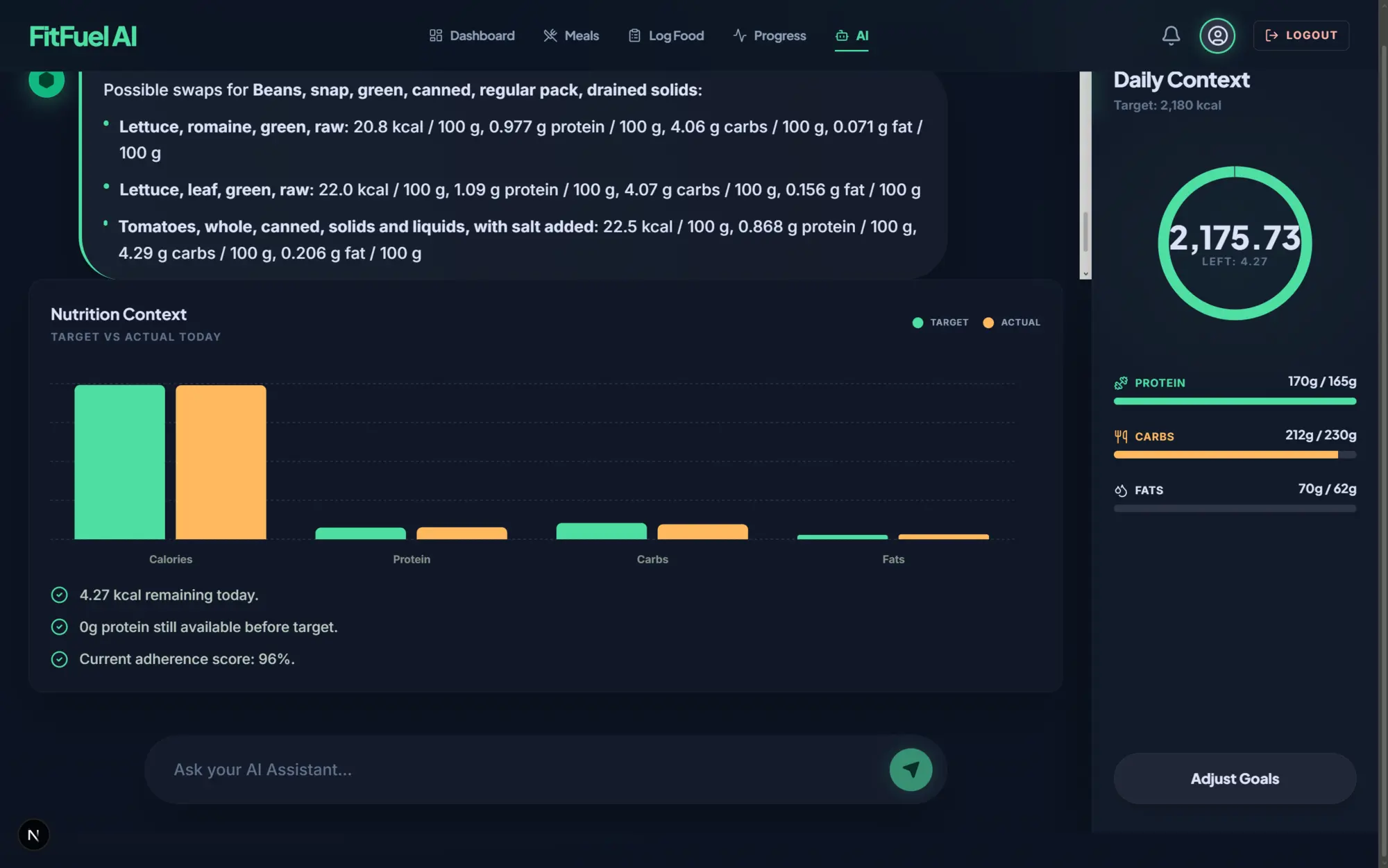
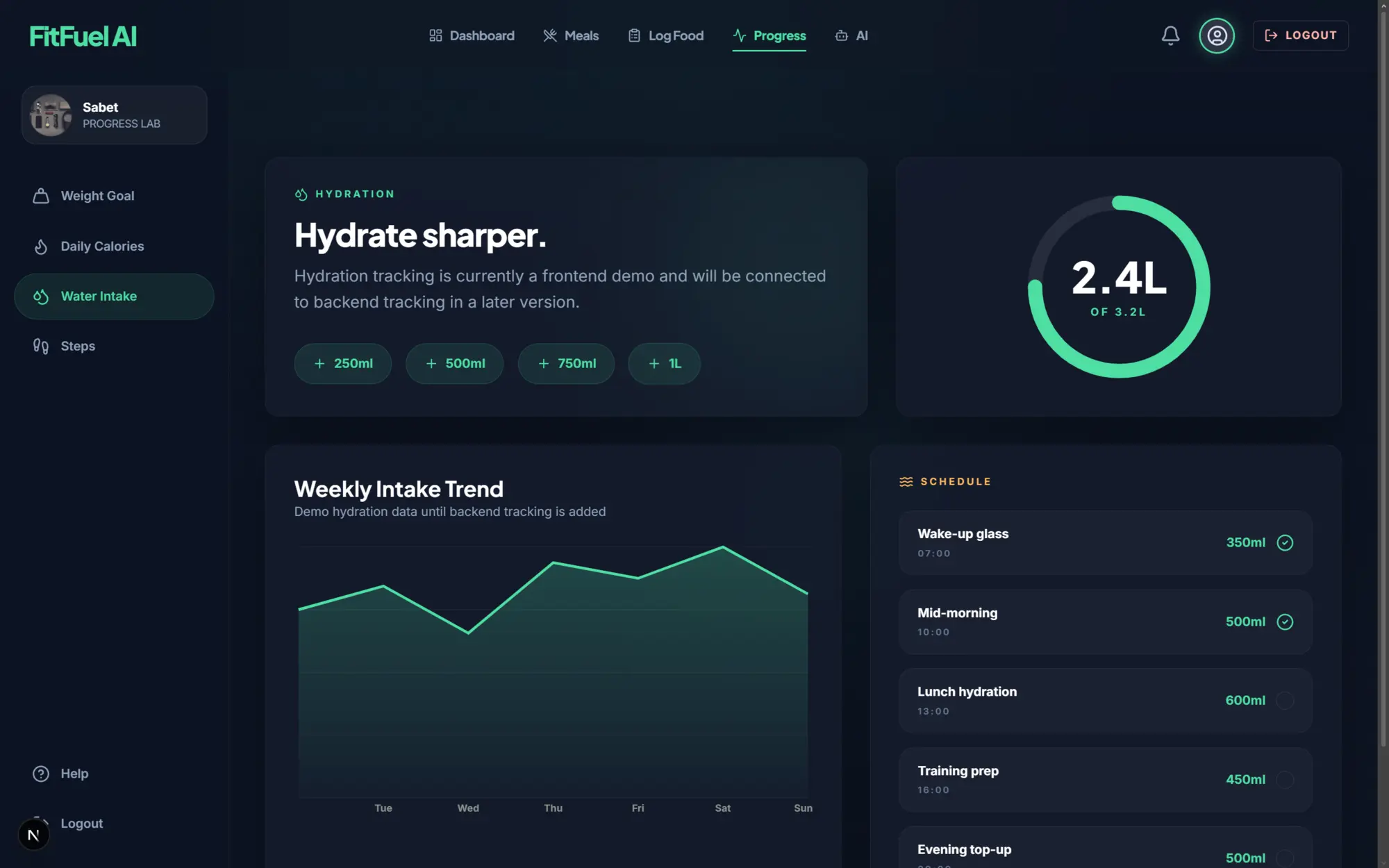
I designed the product experience and full-stack architecture, built the FastAPI/PostgreSQL foundation, and defined the PyTorch/ResNet50 direction for food recognition and portion estimation research.
The product proof covers dashboarding, vision-assisted logging, progress, weight, water, steps, and AI guidance. Model quality and portion estimation remain active engineering work rather than finished clinical claims.